Taking charge of your own good health is important at any age – and it’s never too late to start developing healthier habits. Like women, men need to have regular visits with the doctor, take steps to manage stress, make nutritious food choices, and engage in physical activity.
Regardless of your age or general health, if you’re ready to focus on a healtier you, the following men’s health tips checklist provides a foundation from which to begin:
1. Have regular checkups – even if you feel okay.
One of the best ways that men can promote their own good health is to have a physical or wellness check each year – regardless or age or health concerns. Besides a general once-over, the physical should include cholesterol, glucose, and blood pressure evaluations.
2. Schedule an appointment with your doctor when something doesn’t seem right.
It’s also important to see a doctor if you have noticed changes in your sleep or bathroom habits, have a cut or sore that doesn’t seem to heal, notice changes in your moles or birthmarks, or if you’re experiencing unexplained weight fluctuations or sexual dysfunction.
Remember that many significant health issues begin as minor problems that could have been prevented or better managed if they had been detected early. Rather than thinking it’s just a matter of “toughing it out”, invest in your future good health by discussing your health concerns with your doctor.
3. Know your family history – and share it with your doctor.
If your dad or other family members have a history of hypertension, heart disease, diabetes or other chronic health conditions, you may be at higher risk for developing those conditions yourself. Your doctor can help you develop an action plan to minimize those risks and increase your chances of early detection.
4. Get some exercise.
Ideally, you should exercise at least 30 minutes a day. But if you’re having difficulty squeezing in a workout, remember that even a brisk 20-minute walk a few times a week with your spouse, or regular play outside with your kids or grandkids, can provide heart healthy and stress-relieving benefits.
5. Give yourself permission to take a break.
Knocking off once in a while to play golf, head to a ballgame, or watch TV with your family aren’t just fun ideas – they’re best practices that help you keep stress at bay. If you’re having difficulty finding room for leisure, look for creative ways to get some “you” time, like listening to audiobooks and podcasts on your drive to work or while you’re taking care of the yard.
6. Ask your doctor about cancer screenings.
Based on your age, family history, and lifestyle, your doctor may recommend that you undergo screening for colon cancer, prostate cancer, or lung cancer
Sugary drinks like sodas, fruit juices, and sweetened teas are the primary source of added sugar in the American diet (1Trusted Source).
Unfortunately, findings from several studies point to sugar-sweetened beverages increasing risk of heart disease and type 2 diabetes, even in people who are not carrying excess body fat (2Trusted Source).
Sugar-sweetened beverages are also uniquely harmful for children, as they can contribute not only to obesity in children but also to conditions that usually do not develop until adulthood, like type 2 diabetes, high blood pressure, and non-alcoholic fatty liver disease (3Trusted Source, 4Trusted Source, 5Trusted Source).
Healthier alternatives include:
water
unsweetened teas
sparkling water
Coffee
2.Eat nuts and seeds
Some people avoid nuts because they are high in fat. However, nuts and seeds are incredibly nutritious. They are packed with protein, fiber, and a variety of vitamins and minerals (6Trusted Source, 7Trusted Source).
Nuts may help you lose weight and reduce the risk of developing type 2 diabetes and heart disease (8Trusted Source).
Additionally, one large observational study noted that a low intake of nuts and seeds was potentially linked to an increased risk of death from heart disease, stroke, or type 2 diabetes (9Trusted Source)
3.Avoid ultra-processed foods
Ultra-processed foods are foods containing ingredients that are significantly modified from their original form. They often contain additives like added sugar, highly refined oil, salt, preservatives, artificial sweeteners, colors, and flavors as well (10Trusted Source).
Examples include:
snack cakes
fast food
frozen meals
canned foods
chips
Ultra-processed foods are highly palatable, meaning they are easily overeaten, and activate reward-related regions in the brain, which can lead to excess calorie consumption and weight gain. Studies show that diets high in ultra-processed food can contribute to obesity, type 2 diabetes, heart disease, and other chronic conditions (11Trusted Source, 12Trusted Source, 13Trusted Source, 14Trusted Source, 15Trusted Source).
In addition to low quality ingredients like inflammatory fats, added sugar, and refined grains, they’re usually low in fiber, protein, and micronutrients. Thus, they provide mostly empty calories
In the U.S., the percentage of cases caused by this new coronavirous variant jumped seven times in just a week, from 0.4% of the total cases sequenced to 2.9%, the Centers for Disease Control and Prevention estimates. And it’s already causing about 13% of cases in a region that includes New York and New Jersey.
In a household, the risk of spreading the omicron variant to another member is three times higher than it is with the delta variant, U.K. health officials estimated Friday. And delta, as you may know, is considered highly transmissible.
Why is omicron such a superspreading variant?
Preliminary data, published online Wednesday, gives us the first look at how omicron may behave inside the respiratory tract — and the data offers a tantalizing clue as to why this heavily mutated variant is spreading so fast and even outcompeting delta.
SHOTS – HEALTH NEWS
Omicron evades Moderna vaccine too, study suggests, but boosters help
The omicron variant multiplies about 70 times faster inside human respiratory tract tissue than the delta variant does, scientists at the University of Hong Kong report. The variant also reaches higher levels in the tissue, compared with delta, 48 hours after infection.
“That’s amazing,” says immunologist Wilfredo Garcia-Beltran, who’s a fellow at the Ragon Institute of Massachusetts General Hospital and wasn’t involved in the study. This finding indicates that mutations in omicron have sped up the process of entering or replicating (or both) inside the tissue.
Article continues after sponsor message
But how this finding, from tissue studied in the lab, relates to viral loads inside an actual person’s respiratory tract is still unknown, he emphasizes.
These findings from the University of Hong Kong haven’t been peer reviewed — and the experiments occurred entirely inside cell tissue. Nonetheless, the research supports another study, published online Tuesday, from Garcia-Beltran and his colleagues that also suggests omicron is more infectious than delta.
Using “fake” or pseudoviruses, they found that omicron’s spike protein — the region that binds to human cells, triggering infection — was much better at helping the virus enter human cells than the spike protein of delta or that of the original coronavirus.
“Strikingly, Omicron was 4-fold more infectious than wild type [the original version of the virus] and 2-fold more infectious than Delta,” Garcia-Beltran and colleagues wrote in their study.
The data suggests omicron may be able to infect people at a lower dose than delta or the original variant, Garcia-Beltran says. “That’s a very far-out interpretation,” he cautions. “But we think it will probably pan out that way, given that we’re looking at a variant with more efficient entry into human cells.”
In the Hong Kong study, virologist Michael Chan Chi-wai and his colleagues took tissue from human bronchi — the two large tubes in your respiratory tract that bring air to your lungs. The researchers infected the tissue with live, replicating particles of SARS-CoV-2 virus. They used three versions of the virus: delta, omicron and a variant that was circulating in 2020.
Article continues after sponsor message
Then the researchers looked to see how fast each variant spread through the respiratory tissue. Within 24 hours, omicron had infected the tissue at 70 times the level observed with the delta variant.
Chan and his colleagues also ran the experiments with lung tissue. Interestingly, inside that tissue, omicron was less efficient at infecting cells than delta or the original version of the virus.
“The infection is more focused on the bronchia than the lungs and very fast,” wrote Marc Veldhoen on Twitter. He’s an immunologist at the University of Lisbon.
This focus on the respiratory tract, instead of the lungs, may suggest that omicron could cause less severe disease compared with delta or the original version of the virus. But many scientists, including Veldhoen, say it’s too soon to draw that conclusion.
“More infectious than delta is not good, particularly if you do not have immunity!” Veldhoen adds. “Without fast immunity, the virus can quickly disseminate from the bronchia to the lungs and other organs and do some serious damage!”
Infectious disease doctor Sumon Chakrabarti at Trillium Health Partners in Ontario agrees. “Very interesting study showing proof of concept [for] why Omicron is more transmissible than delta. Interesting about less replication in lung vs. airways,” he wrote on Twitter. “Caution with overinterpretation. … [The idea] needs more study.”
Furthermore, respiratory tissue is a far cry from actual living bronchi inside a person, says Alejandro Balazs, who’s a virologist at Harvard Medical School. The Hong Kong study “looks interesting for sure. But you have to always be careful how you interpret studies outside of animals and human patients.”
For starters, he says, the isolated tissue doesn’t generate much immune response to fight the virus. And in the study, the researchers monitored the virus’s infection only over a 48-hour period. “This experiment is happening in a very short period of time in a dish,” he says. “We don’t know for sure that omicron infects this bronchial tissue better than lung tissue. Or what happens 72 hours later.”
Scientists need to measure the viral loads inside people’s respiratory tracts, adds Garcia-Beltran. With delta, people have, on average, 1,000 times more virus particles in their respiratory tracts than with the original variants.
“I want to see what the viral loads look like for omicron,” he says. “Samples from people who are actually infected — that’s the gold standard. That’s where the action is.”
Vaccine protection vs. omicron infection may drop to 30% but does cut severe disease.
These simple acts of self care help you FEEL BEAUTIFUL, and it is your inner beauty that you radiate out into the world.
HERE ARE NINE EASY BEAUTY TIPS + THEY WON’T COST YOU A THING!
It always helps to have a gentle reminder, even with things we already know. Hearing them again helps reinforce good habits. Read to the end with the intention of bringing these helpful tips into the forefront of your consciousness.
1. MINDFULLY MAINTAIN YOUR OVERALL HEALTH + WELL-BEING. Acknowledge yourself and your mental, physical, and spiritual needs. How can you incorporate more acts of self care into your daily routine? Make extra time to do something special for yourself. Self care is valuable tool! True beauty comes from within. Sparkling eyes, glowing skin, vitality and confidence are attractive.
2. GO OUTSIDE MORE OFTEN. Fresh air is a great beautifier. Forest bath, sunbathe, feel the wind in your hair. It’s easy to take for granted, these simple activities, but they’re truly replenishing to your spirit + bring out a natural radiance in your appearance.
4. GET PLENTY OF SLEEP IN A WELL VENTILATED ROOM. Your body and your mind need rest to regenerate and recuperate from the work of the day. Your whole system suffers without enough sleep. They don’t call it beauty rest for nothin’! If you live in a city with lots of cars and pollution, consider getting an air purifier for your bedroom. While they’re not free, they work wonders to filter out microscopic particles of pollen, mold, pollution etc. When I moved into my condo in the city, close to a freeway I started waking up with lots of congestion and sometimes a headache. After a few months of this, I put an air purifier in my bedroom and noticed significant improvement in my allergies. The white noise helps with the street sounds as well. Houseplants are also a beautiful way to increase the clean oxygen levels in your home.
3. DEVELOP HEALTHY EATING HABITS. With food, fresh is best and quality is better than quantity. Don’t eat too much, or too quickly. Like Michael Pollan says: “Eat food. Not too much. Mostly plants.” Moderation is key, but don’t deprive yourself either. It’s okay to have a little treat every once in a while, but an important aspect of self care is making conscious choices. Appreciate your food and the nourishment it brings to your body.
5. BATHE OFTEN. Oils, dirt, dead skin, and toxins build up on your skin and you need to wash those off or they get re-absorbed into your bloodstream, clog your pores, and leave your skin dull and ashen. Even if you don’t wash your hair every day, it’s best to do a quick daily rinse off! Let the water flow over your body and wash away the accumulated layers of stress, dirt, pollution, etc.
6. PRACTICE GOOD POSTURE. Be mindful of how you sit, stand + move. When you walk, hold your head high and shoulders back and engage your stomach muscles. When you sit, do not hold one shoulder higher than the other, or sit crooked? Bring some awareness into your posture and gently remind yourself to lift up and straighten out.
7. GET SOME EXERCISE. Keep your muscles firm and youthful by moving around, get your blood flowing, and oxygenate your cells. Add some joyful movement to your day. If it’s fun, it’s a lot easier to motivate and keep to a routine. Go to the gym, take a run, play tennis, or do some yoga. We like to take a dance break at SpaGoddess HQ a couple times a day when energy gets low or feels stuck. We put on some fun music and dance it out! It’s also fun to dance around the kitchen when you’re cooking. Even if it’s just a 10 minute walk during a work break, take the stairs, or park at the far end of the lot so you have to walk just that little bit more. Take that time to notice your surroundings, take a few deep breaths, and think of something you’re grateful for. What sort of physical activity could you add into your routine to enhance the health of your mind, body, and spirit?
8. DON’T LET YOUR SKIN GET TOO DRY. Dry skin is not radiant and it doesn’t look or feel healthy. Dry skin makes wrinkles more profound and gives a dull, drab appearance. Moisturized skin is glowing and healthy in comparison.
9. MEDITATE. All forms of meditation can help reduce stress and improve well-being. Meditate in the morning before beginning your day. By meditating first thing in the morning, you will be setting the energy and your own physiology before placing yourself in situations that may generate stress. This will ensure that your day runs more smoothly and that you are in the proper energetic state to experience miracles! Meditation reduces stress and allows your inner beauty to shine through.
These tips are super easy to incorporate into your daily routine and will make a difference in the long term. Plus these simple acts of self care help you FEEL BEAUTIFUL, and this inner beauty will radiate out into the world.
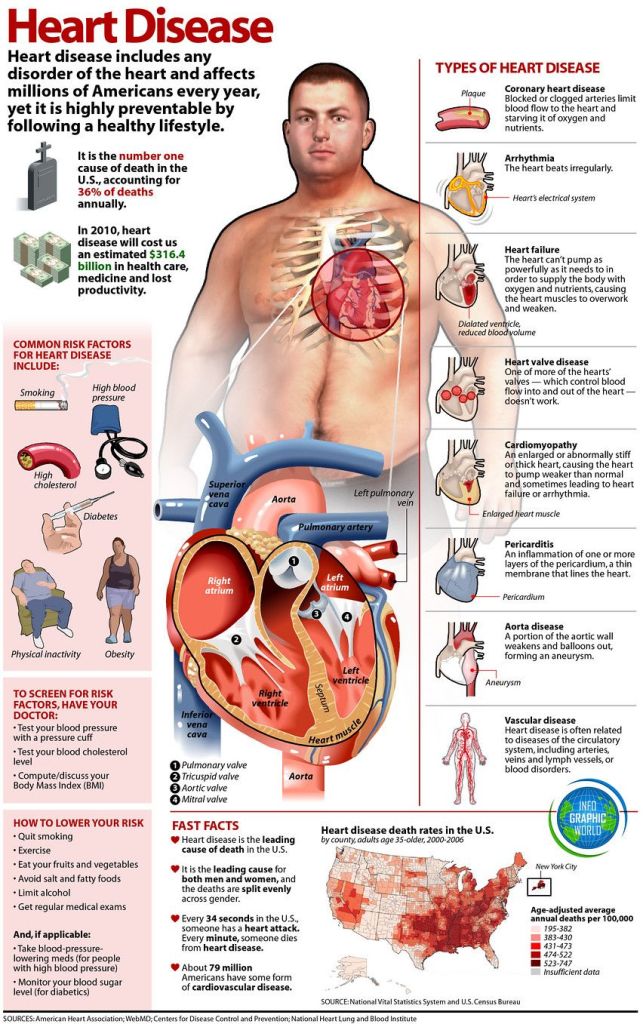
Heart disease is the leading cause of the death in the United States. It is also a major cause of disability. There are many things that can raise your risk for heart disease. They are called risk factors. Some of them you cannot control, but there are many that you can control. Learning about them can lower your risk of heart disease.
What are the heart disease risk factors that I cannot change?
Age. Your risk of heart disease increases as you get older. Men age 45 and older and women age 55 and older have a greater risk.
Sex. Some risk factors may affect heart disease risk differently in women than in men. For example, estrogen provides women some protection against heart disease, but diabetes raises the risk of heart disease more in women than in men.
Race or ethnicity. Certain groups have higher risks than others. African Americans are more likely than whites to have heart disease, while Hispanic Americans are less likely to have it. Some Asian groups, such as East Asians, have lower rates, but South Asians have higher rates.
Family history. You have a greater risk if you have a close family member who had heart disease at an early age.
What can I do to lower my risk of heart disease?
Fortunately, there are many things you can do to reduce your chances of getting heart disease:
Control your blood pressure.High blood pressure is a major risk factor for heart disease. It is important to get your blood pressure checked regularly – at least once a year for most adults, and more often if you have high blood pressure. Take steps, including lifestyle changes, to prevent or control high blood pressure.
Keep your cholesterol and triglyceride levels under control. High levels of cholesterol can clog your arteries and raise your risk of coronary artery disease and heart attack. Lifestyle changes and medicines (if needed) can lower your cholesterol. Triglycerides are another type of fat in the blood. High levels of triglycerides may also raise the risk of coronary artery disease, especially in women.
Stay at a healthy weight. Being overweight or having obesity can increase your risk for heart disease. This is mostly because they are linked to other heart disease risk factors, including high blood cholesterol and triglyceride levels, high blood pressure, and diabetes. Controlling your weight can lower these risks.
Eat a healthy diet. Try to limit saturated fats, foods high in sodium, and added sugars. Eat plenty of fresh fruit, vegetables, and whole grains. The DASH diet is an example of an eating plan that can help you to lower your blood pressure and cholesterol, two things that can lower your risk of heart disease.
Get regular exercise. Exercise has many benefits, including strengthening your heart and improving your circulation. It can also help you maintain a healthy weight and lower cholesterol and blood pressure. All of these can lower your risk of heart disease.
Limit alcohol. Drinking too much alcohol can raise your blood pressure. It also adds extra calories, which may cause weight gain. Both of those raise your risk of heart disease. Men should have no more than two alcoholic drinks per day, and women should not have more than one.
Don’t smoke. Cigarette smoking raises your blood pressure and puts you at higher risk for heart attack and stroke. If you do not smoke, do not start. If you do smoke, quitting will lower your risk for heart disease. You can talk with your health care provider for help in finding the best way for you to quit.
Manage stress.Stress is linked to heart disease in many ways. It can raise your blood pressure. Extreme stress can be a “trigger” for a heart attack. Also, some common ways of coping with stress, such as overeating, heavy drinking, and smoking, are bad for your heart. Some ways to help manage your stress include exercise, listening to music, focusing on something calm or peaceful, and meditating.
Manage diabetes. Having diabetes doubles your risk of diabetic heart disease. That is because over time, high blood sugar from diabetes can damage your blood vessels and the nerves that control your heart and blood vessels. So, it is important to get tested for diabetes, and if you have it, to keep it under control.
Make sure that you get enough sleep. If you don’t get enough sleep, you raise your risk of high blood pressure, obesity, and diabetes. Those three things can raise your risk for heart disease. Most adults need 7 to 9 hours of sleep per night. Make sure that you have good sleep habits. If you have frequent sleep problems, contact your health care provider. One problem, sleep apnea, causes people to briefly stop breathing many times during sleep. This interferes with your ability to get a good rest and can raise your risk of heart disease. If you think you might have it, ask your doctor about having a sleep study. And if you do have sleep apnea, make sure that you get treatment for it
If you are skin-freak and want glowing skin then scroll down and read some tips!
1. Water:
Water is the best friend of your skin. The more you drink water the more it will glow and look fresh. That’s the reason why beauticians and dieticians recommend drinking eight to twelve glasses of water every-day. In this hot summer, it is better to prepare spray water of rose water and cucumber juice to spray it on your face a little when you feel hot. It will provide essential freshness to the skin. Besides, have fresh fruit juices and lemonades to give water in different ways to your skin.
2. Balanced Diet:
Although our heart shelter in chocolate fudge cake but skin needs green leafy vegetables and lots of fruits. A balanced diet is key to attaining a healthy physique and skin. Therefore, doctors recommend having wholesome breakfast, nutritious lunch, and decent dinner. Your diet should have meat, good fat, legumes, nuts, and dairy products to pamper your skin.
3. Sleep:
Sleep is like a magic wand. It can give you a focused mindset, healthy body, and glowing and compact skin. All you have to do is to sleep for six to eight without interruptions at night. Nowadays, we all sleep late. You can sleep late but if u would make it your habit then forget to have fresh skin. Sleeping late at night can make your skin dull and saggy. Therefore, go to bed at 12 am and wake up at 8 am to have the best skin.
4. Exercise and meditation:
Your skin can lose compactness and glow due to staying in bed for long day as it cannot excrete not-so-needed elements from the skin. That’s the reason why exercise is a must. Doing warm-up exercises and walk regularly help skin to flush out unneeded elements and freshen it again.
5. Skincare routine:
In this age when there is extreme pollution, there is need to have proper skincare routine. You can use decent face-wash every morning and night to detox it. Besides, there are plenty of moisturizing creams in stores. You can buy any of them and apply it on skin before leaving house. It will keep your skin fluffy. Besides, you can apply rose water regularly to enhance it. Moreover, there are numerous remedies to apply. The best of them is to apply Aloe Vera.
6. Decent makeup and sunscreen:
Makeup seems necessary in this time of networking but it is important to wear sunscreen, sunblock and decent makeup to let your skin breathe. It is better to wear simple concealer and BB cream instead of foundation as it will enhance the features while giving ground to skin to breath.
7. Detoxification:
Detoxification is all about decreasing the consumption of fast food, snacks, and frozen foods. Detoxification can bring the old glow of your skin back. It will freshen your skin and increase the glow.
After cancellation Summer Olympics Tokyo, Wimbledon in UK and Expo in Dubai due to excessive increment in the cases of COVID-19, the Kingdom of Saudi Arabia (KSA) is thinking to cancel the mega religious gathering, Hajj, for the first time as the cases exceeded 100,000 in the country to combat the pandemic on Saturday to the Financial Times.
Hajj and Umrah Ministry informed FT that the country has been seeing situation from different scenario; therefore, the government would take decision within a week. The minter further said that they have all options on a table but they have prioritized the health and safety of pilgrims over everything.
However, Saudi Arabia has another strategy. The ministry has been thinking to allow a minimum percentage of pilgrims to come to offer ritual from each country this year. The two officials of KSA told Reuters that they might allow 20 percent of pilgrims of each country to offer Hajj with restrictions, if possible.
Although the decision would come in the coming week and there is a possibility that the second decision would be followed, several countries have deferred sending their citizens to offer the largest prayer.
Coughs that nag you all day long are bad enough. But when they keep you awake all night, you can feel downright awful. How can you calm down your cough so you can get the sleep you need?
You’re in luck. There are plenty of treatments for nighttime coughs that can help. Most of the time, home remedies or over-the-counter (OTC) treatments can work wonders. But if those don’t help, your doctor can prescribe a stronger cough medicine that includes something to make you drowsy.
How to Calm That Cough
Start with simple solutions to see if they stop the hacking:
Use a humidifier to make the air moist, or breathe steam from a hot shower or teakettle before bed.
Raise your head up a bit with an extra pillow.
Try a saline or saltwater nose spray.
Swallow a teaspoon of honey. (Note: This is not for babies younger than 1 year old.)
Sip warm tea or soup.
Suck on menthol or honey lozenges before bedtime.
If you need stronger relief, pharmacy shelves are full of OTC cough or cold remedies you can try to stop a cough. These products may have a mix of different types of medicine in one capsule or pill:
A cough suppressant. It works by blocking your reflex to cough. Dextromethorphan is the most common one.
A decongestant like phenylephrine or pseudoephedrine to clear your stuffy nose or sinuses
An antihistamine, like brompheniramine, chlorpheniramine, diphenhydramine, or doxylamine, to stop your sneezing and runny nose
A drug that thins out your mucus, called an expectorant
CONTINUE READING BELOW
But be aware: These cough treatments make some people feel drowsy, but they make others feel hopped up so they stay awake. And some of them aren’t safe to take if you have health problems, like high blood pressure. So check with your doctor before you buy one.
Nasal sprays with or without a steroid may help ease your cough, too.
What Causes Coughs?
When you have a cold, a sinus infection, or the flu, mucus can drip from your stuffy nose or sinuses into your throat when you lie down to sleep. That’s why you may cough more at night. You may feel the drip tickle the back of your throat and want to cough to clear the clog.
But other conditions can also cause a cough that keeps you awake:
Asthma. Air tubes in your lungs get narrow and close up, and too much mucus can build up. People with asthma can also have dry coughs because they don’t take in enough air when they breathe. Dust can make the problem worse.
Allergies. Hay fever or other allergies can give you a stuffy nose that drips into your throat.
Heartburn or gastroesophageal reflux disease (GERD). Stomach acid can trickle up and bother nerves in the lower part of your esophagus, the tube that connects your mouth and stomach. This can make you cough, even if you don’t feel a burn or pain.
Smoking. Mucus in your lungs can make you cough. You may also feel the urge to cough to get the toxins out of your airways.
Some blood pressure drugs. ACE inhibitors can trigger a dry cough that won’t quit for some people.
If your doctor finds that one of these problems is causing your cough, you’ll need to treat that specific condition to find relief. Talk to your doctor about the best plan.
Coughs that nag you all day long are bad enough. But when they keep you awake all night, you can feel downright awful. How can you calm down your cough so you can get the sleep you need?
You’re in luck. There are plenty of treatments for nighttime coughs that can help. Most of the time, home remedies or over-the-counter (OTC) treatments can work wonders. But if those don’t help, your doctor can prescribe a stronger cough medicine that includes something to make you drowsy.
How to Calm That Cough
Start with simple solutions to see if they stop the hacking:
Use a humidifier to make the air moist, or breathe steam from a hot shower or teakettle before bed.
Raise your head up a bit with an extra pillow.
Try a saline or saltwater nose spray.
Swallow a teaspoon of honey. (Note: This is not for babies younger than 1 year old.)
Sip warm tea or soup.
Suck on menthol or honey lozenges before bedtime.
If you need stronger relief, pharmacy shelves are full of OTC cough or cold remedies you can try to stop a cough. These products may have a mix of different types of medicine in one capsule or pill:
A cough suppressant. It works by blocking your reflex to cough. Dextromethorphan is the most common one.
A decongestant like phenylephrine or pseudoephedrine to clear your stuffy nose or sinuses
An antihistamine, like brompheniramine, chlorpheniramine, diphenhydramine, or doxylamine, to stop your sneezing and runny nose
A drug that thins out your mucus, called an expectorant
CONTINUE READING BELOW
But be aware: These cough treatments make some people feel drowsy, but they make others feel hopped up so they stay awake. And some of them aren’t safe to take if you have health problems, like high blood pressure. So check with your doctor before you buy one.
Nasal sprays with or without a steroid may help ease your cough, too.
What Causes Coughs?
When you have a cold, a sinus infection, or the flu, mucus can drip from your stuffy nose or sinuses into your throat when you lie down to sleep. That’s why you may cough more at night. You may feel the drip tickle the back of your throat and want to cough to clear the clog.
But other conditions can also cause a cough that keeps you awake:
Asthma. Air tubes in your lungs get narrow and close up, and too much mucus can build up. People with asthma can also have dry coughs because they don’t take in enough air when they breathe. Dust can make the problem worse.
Allergies. Hay fever or other allergies can give you a stuffy nose that drips into your throat.
Heartburn or gastroesophageal reflux disease (GERD). Stomach acid can trickle up and bother nerves in the lower part of your esophagus, the tube that connects your mouth and stomach. This can make you cough, even if you don’t feel a burn or pain.
Smoking. Mucus in your lungs can make you cough. You may also feel the urge to cough to get the toxins out of your airways.
Some blood pressure drugs. ACE inhibitors can trigger a dry cough that won’t quit for some people.
If your doctor finds that one of these problems is causing your cough, you’ll need to treat that specific condition to find relief. Talk to your doctor about the best plan.














 Where health tips for you